Which companies will be affected by the ban on exporting through bill-based contracts?
The new export regulations, effective October 1, 2025, will completely end the "bill-based export" model, significantly impacting the following types of businesses:
I. Directly Affected Businesses
Small and medium-sized foreign trade enterprises that have long relied on bill-based exports.
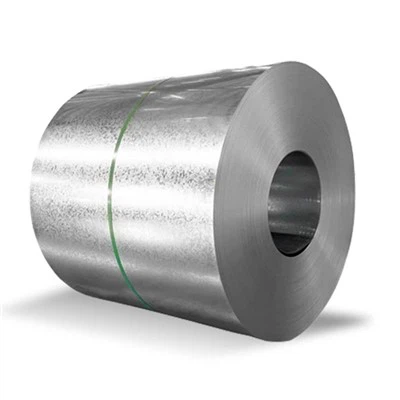
This is particularly true for exporters of bulk commodities such as steel, aluminum, and copper products. These exporters, which circumvented 13% value-added tax and 25% corporate income tax through bill-based exports, will be required to pay back taxes and face hefty fines. For example, a Qingdao import and export company was ordered to pay nearly 10 million yuan in taxes due to bill-based exports.
Cross-border e-commerce and market procurement trading companies
The new regulations require platforms to report full transaction data for verification with customs and tax authorities. Companies that previously evaded taxes by falsely reporting goods values or using bill-based invoices will be exposed. A Shenzhen garment factory was ordered to pay 2 million yuan in taxes due to bill-based exports.
According to Circular No. 17, export agents must declare the actual owner of each shipment. Concealing related parties will result in a tax surcharge of the full value of the goods (e.g., an agent for an export of 10 million yuan will be required to pay a tax surcharge of 2.5 million yuan).
II. Industry Impact
Prices for products like steel have been distorted due to the practice of purchasing invoices for export. The new regulations will restore fair competition in the market, but export volumes may decline in the short term.
Low-Value-Added Product Exports:
Companies such as small commodities and daily necessities will need to transition to a compliant export model due to low tax rebates. Rising costs may squeeze profits.
III. Risk Warning
The retrospective period covers January to September 2025: Companies must conduct a self-review of their export history. Failure to comply with regulations will result in a fine of 0.5-5 times the tax surcharge.
Criminal Risk: A company in Liaoning province evaded 212 million yuan in taxes through a "buy invoice" scheme, and the principal offender was sentenced to 10 years.
Companies are advised to adjust their export strategies as soon as possible and achieve compliance through formal customs declarations and improved invoice chains.